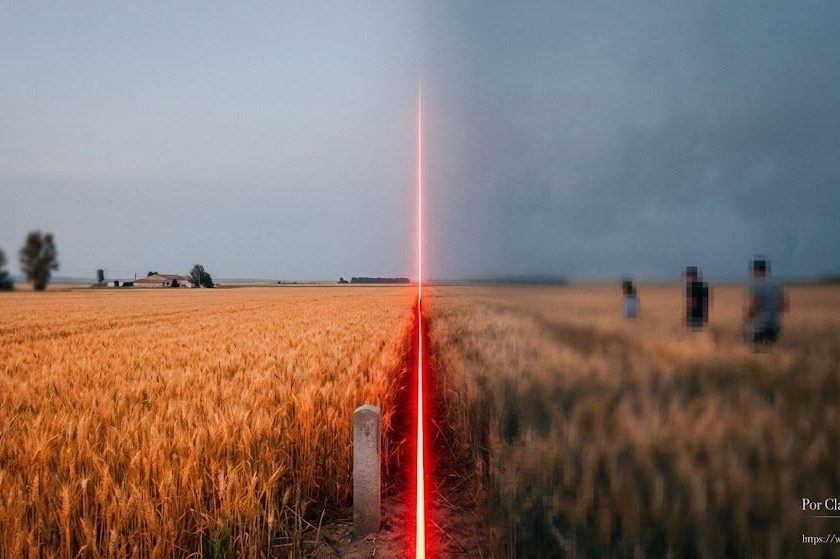

A journey to the hidden heart of violence: where absences speak louder than gunshots.
By Claudia Benítez
HoyLunes – The history of social conflicts is as old as humanity itself. In every era we have tried to understand them, repress them, suppress them, negotiate them, sometimes endure them or simply ignore them.
Society is a living being created by millions of wills; it has contradictory movements between creation and annihilation, between encounter and rupture. We are a constellation of individuals who interact, each one trying to adjust personal interests to collective ones. However, we live in a time when traditional conflicts add a wound that hurts with particular intensity: the daily disappearances that afflict our communities are shadows that take away lives, voices and futures before we can even name their absence.
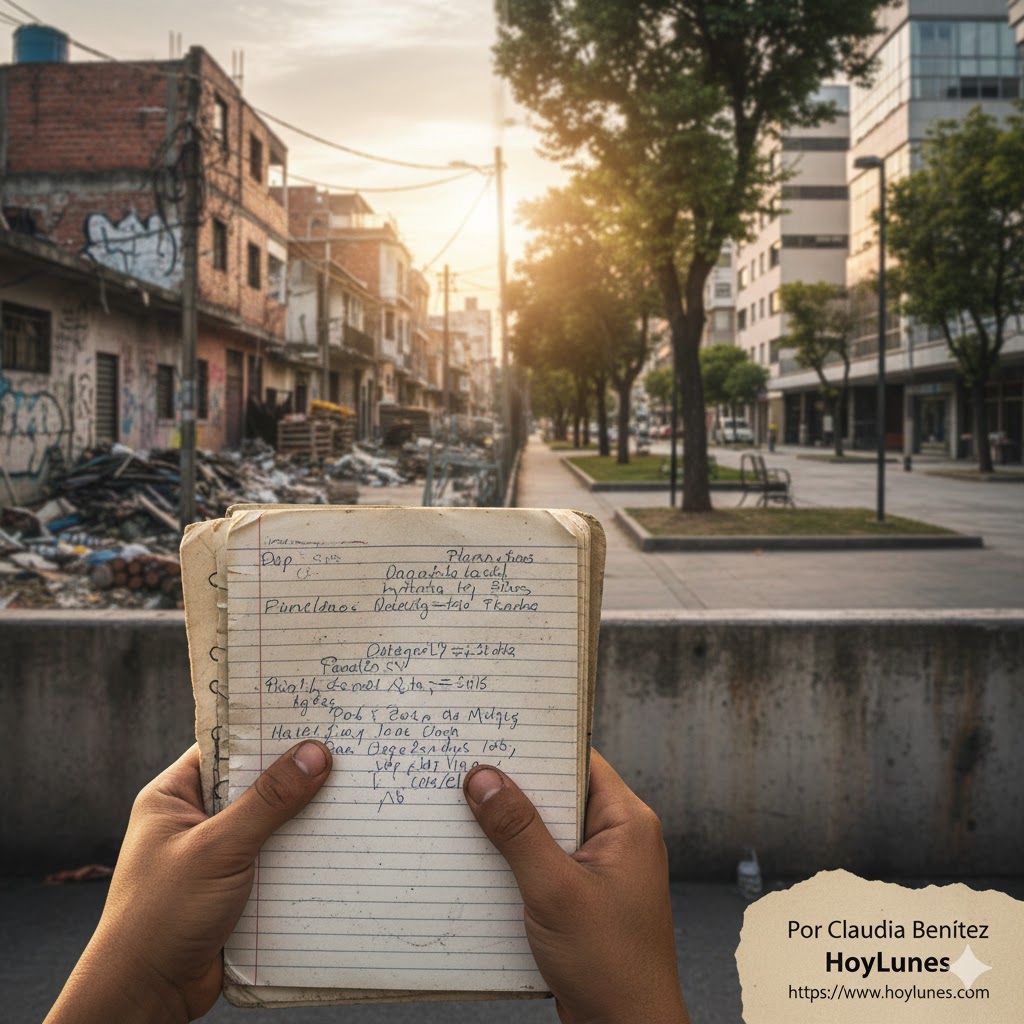
There are goals that society proposes that many cannot access or identify with—goals that seem fair, but whose paths become inaccessible when confronted with daily urgency or the hurried longing to “make wealth.” In that crossroads of needs and aspirations, the common good and individual well-being intertwine or collide. Personal effort fills with dreams seeking paths to become real—sometimes in one’s favor, sometimes against it, and sometimes at the expense of others—trying to reconcile the common good with individual benefit.
Violence linked to drug trafficking reveals itself as a persistent and deeply rooted problem in society. It is not only a criminal expression; it is a social wound that cuts across countries, cities, neighborhoods, families and life trajectories, limiting development and eroding social trust.
Facing this reality requires looking beyond the crime: understanding the social, economic and cultural fabrics that sustain it.
One of the greatest difficulties is the normalization of violence. Where the State is absent or acts unevenly, groups dedicated to drug trafficking fill the void and seize the territory. They offer immediate income, promises of spectacular success and false protection. For many young people, the lack of opportunities turns that route into a tempting—though dangerous—alternative. Thus, the roots of the problem sink into deep needs that cannot be resolved with simple police operations.
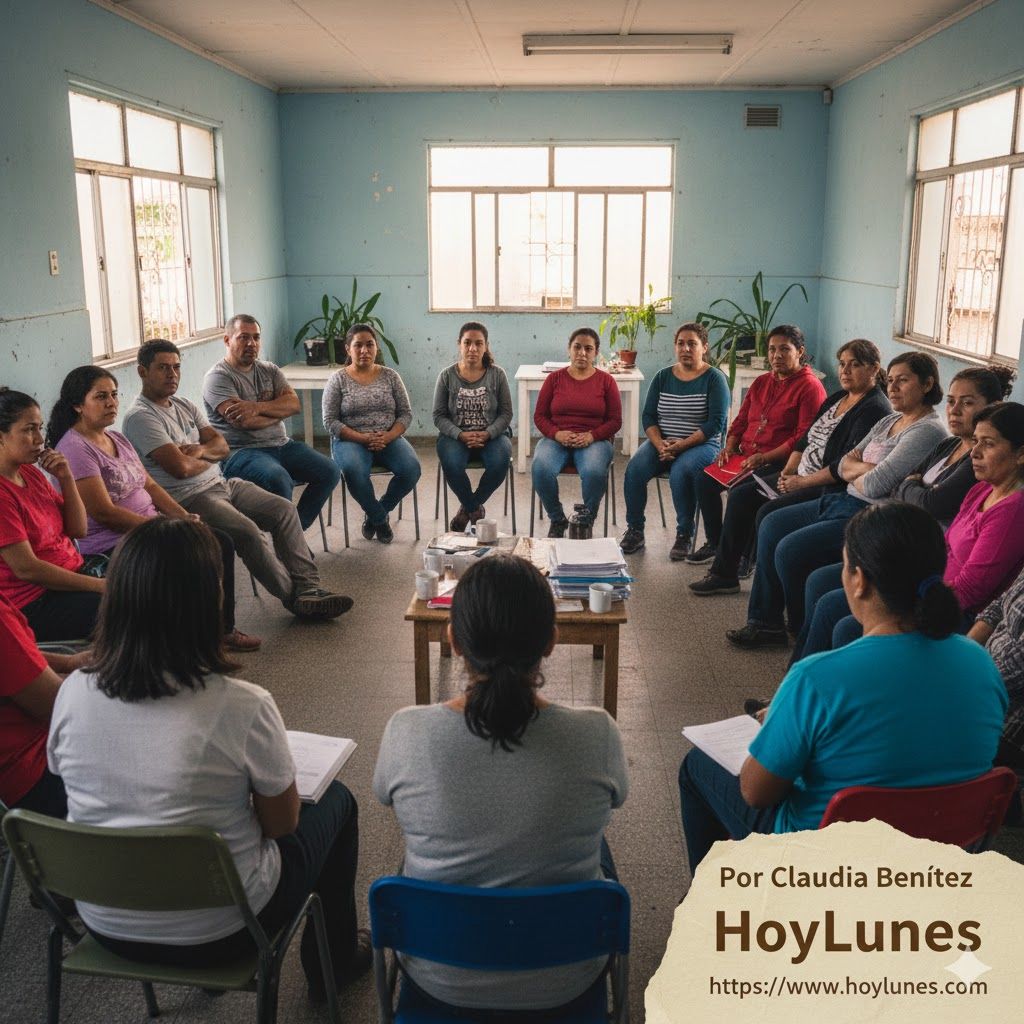
Government strategies often ignore the lessons of the past and feed mistrust, repeating the same patterns in all places and eras. Where money buys power and fear imposes silence, corruption and impunity flourish. Citizens withdraw, justice weakens and reporting becomes a matter of risking one’s life. Terror becomes a mechanism of control that turns victims into warnings.
Drug trafficking—driven by the global economy of supply and demand—is also linked to arms trafficking, creating a circuit of power that is difficult to break. The challenge is international, just like trade, but cooperation between States moves slowly, trapped in political and economic interests that often weigh more than the security of communities.
This turns the problem into a global challenge, where solutions require cooperation beyond borders. However, coordination among countries is often slow, complex and conditioned by political and economic interests, not only institutional but above all personal, which influence State decisions.
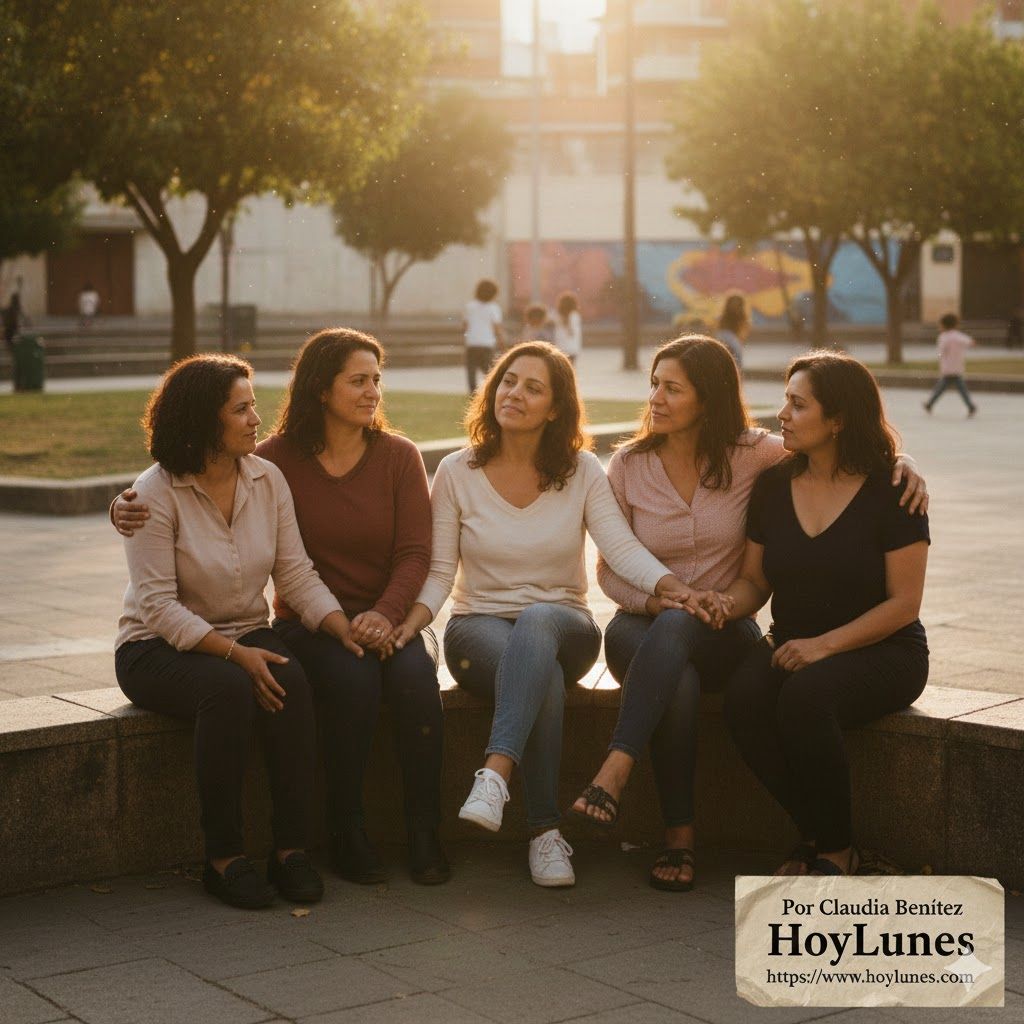
To effectively confront this violence, a comprehensive approach is necessary. This includes public policies that strengthen education, generate decent employment, promote prevention through medical measures on mental health, addiction prevention, and rebuild trust in institutions.
It also requires listening to communities, understanding their fears and acknowledging their proposals, for they are the ones who live daily with the consequences of the conflict.
Addressing drug-related violence is a social obligation, one that implies transforming the structures that feed it. It is neither an easy path nor a short one, but it is an indispensable step toward building safer, fairer and, above all, more humane societies. It is the only way to honor its victims and the countless lost lives.
#hoylunes, #claudia_benitez